
Nobody Hands You Instructions for Being Human
So I wrote some.
A Young Human's Guide to Earth
Understanding your planet, your species and yourself without losing your mind or your sense of humour.
To receive your sample of The Young Humans Guide To Earth Survival Tips and express your interest in getting either or both of these guides when they are released in PDF format at a heavily discounted price just enter your name and email here and you will be informed as soon as they are available!
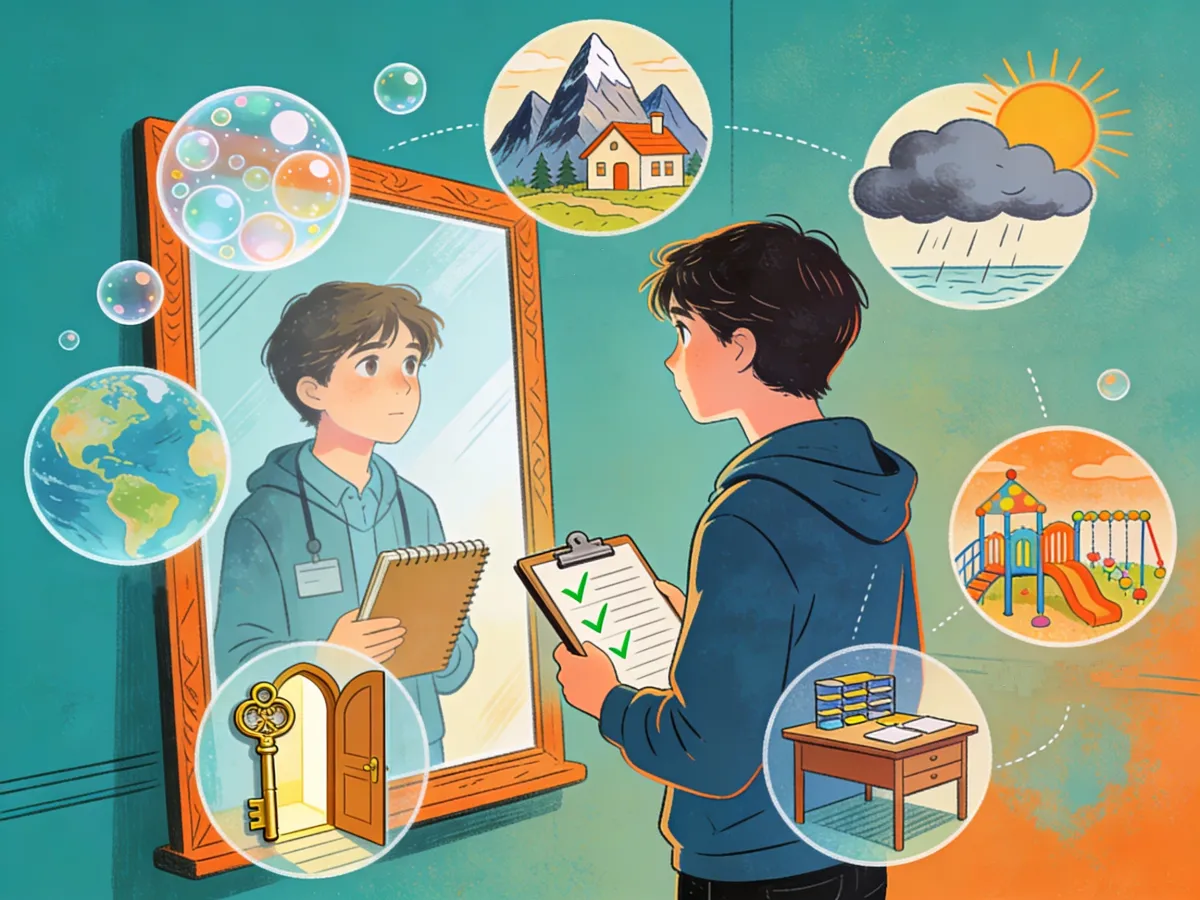
The Problem
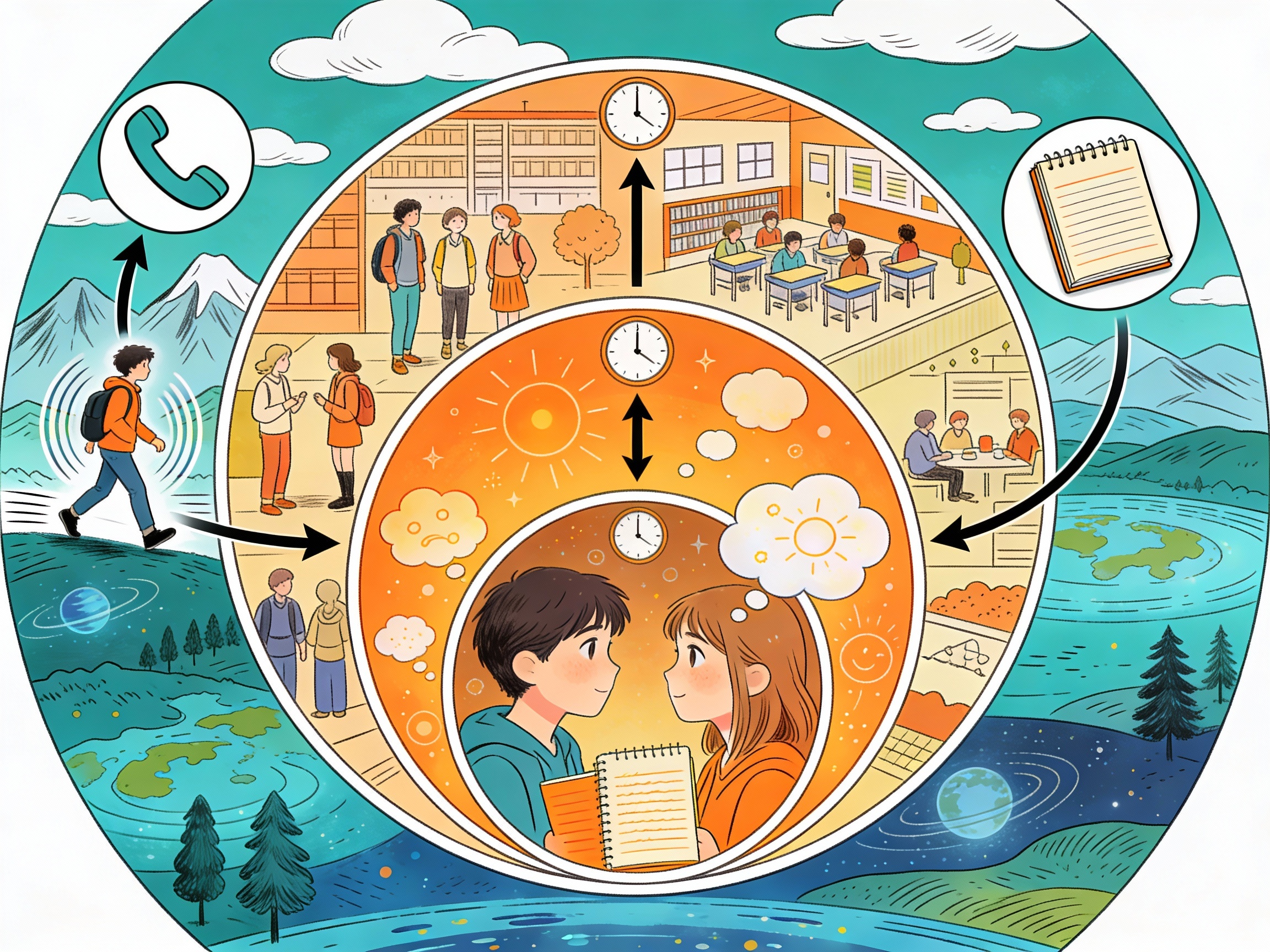
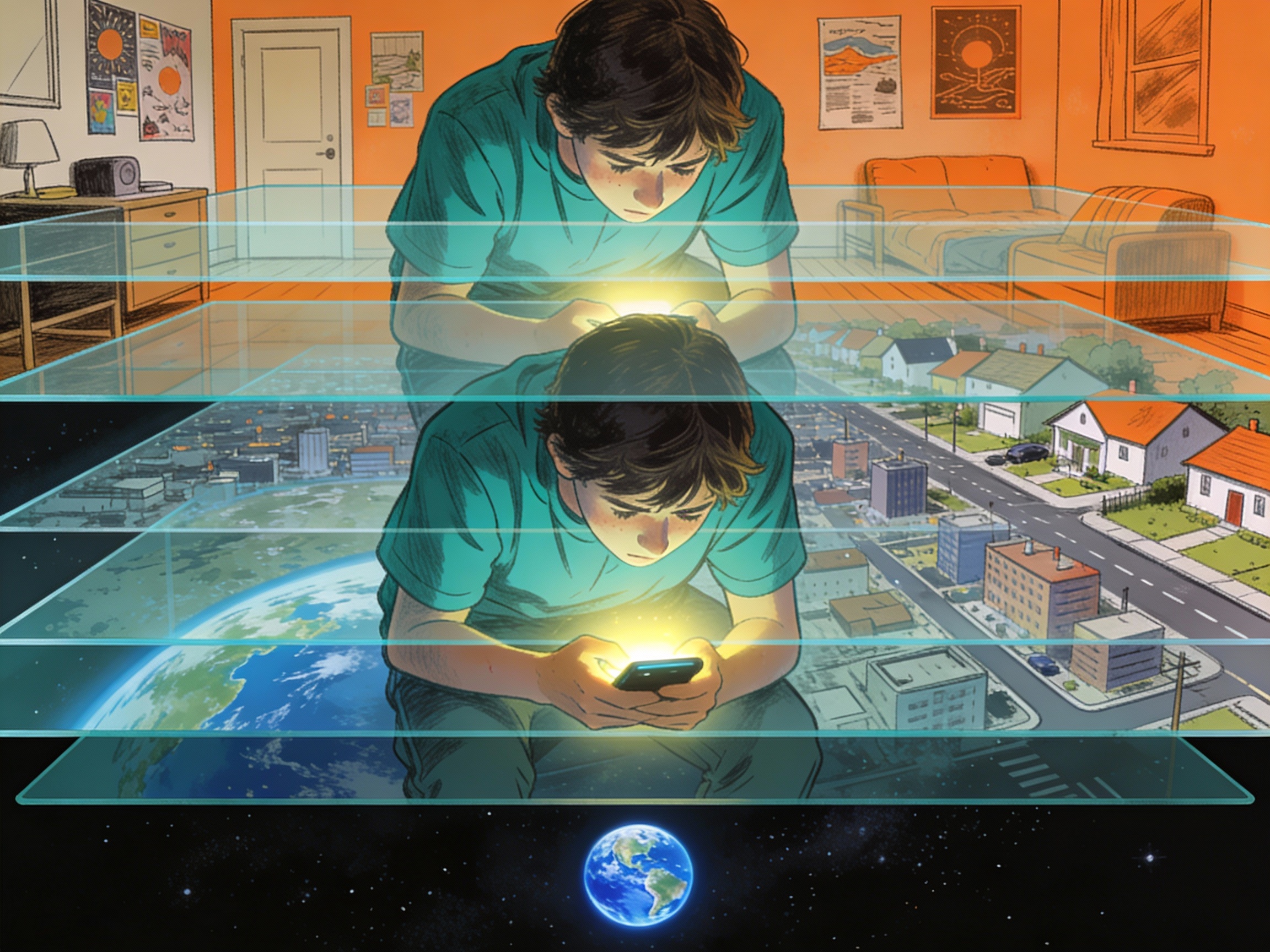
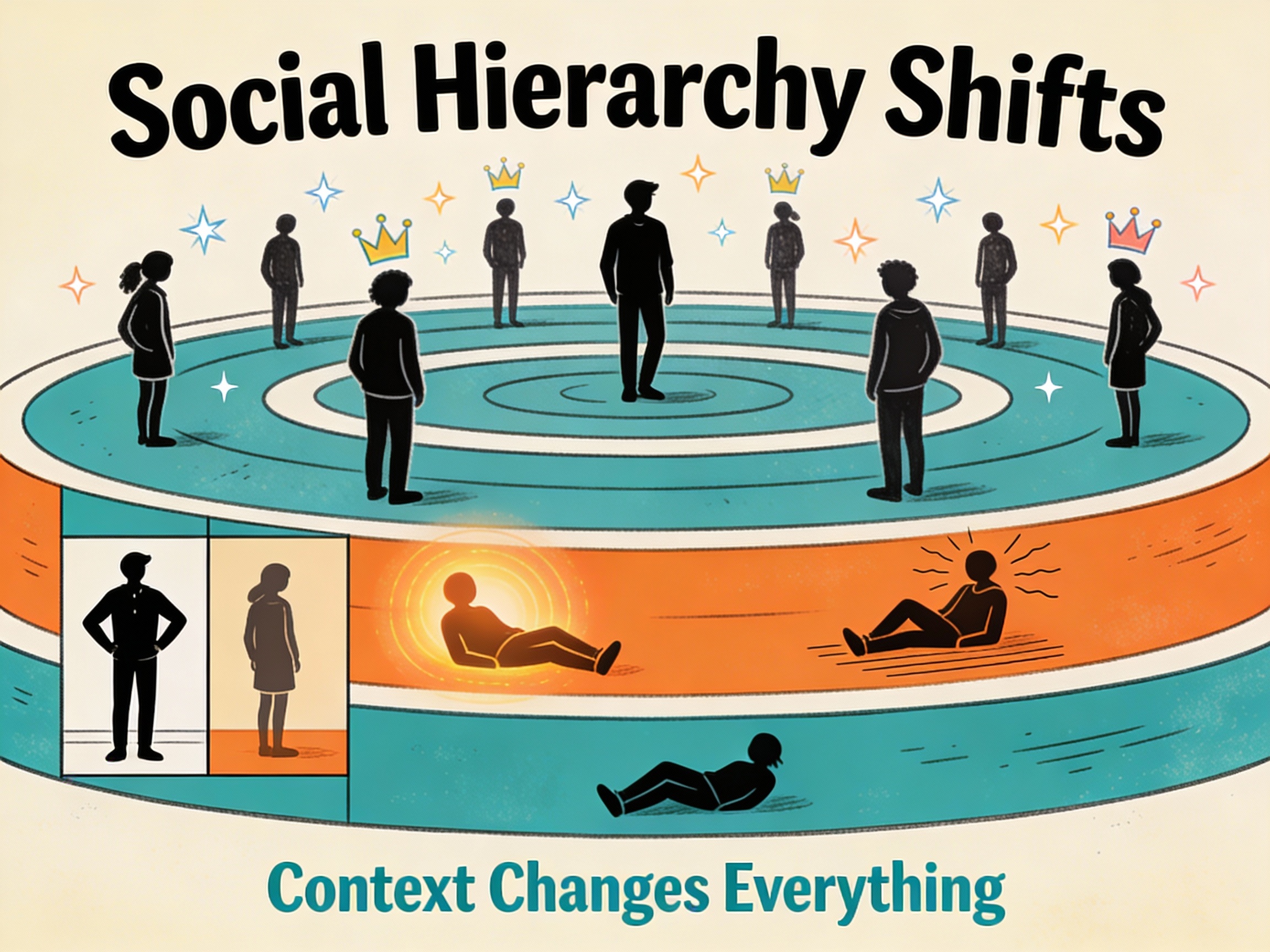
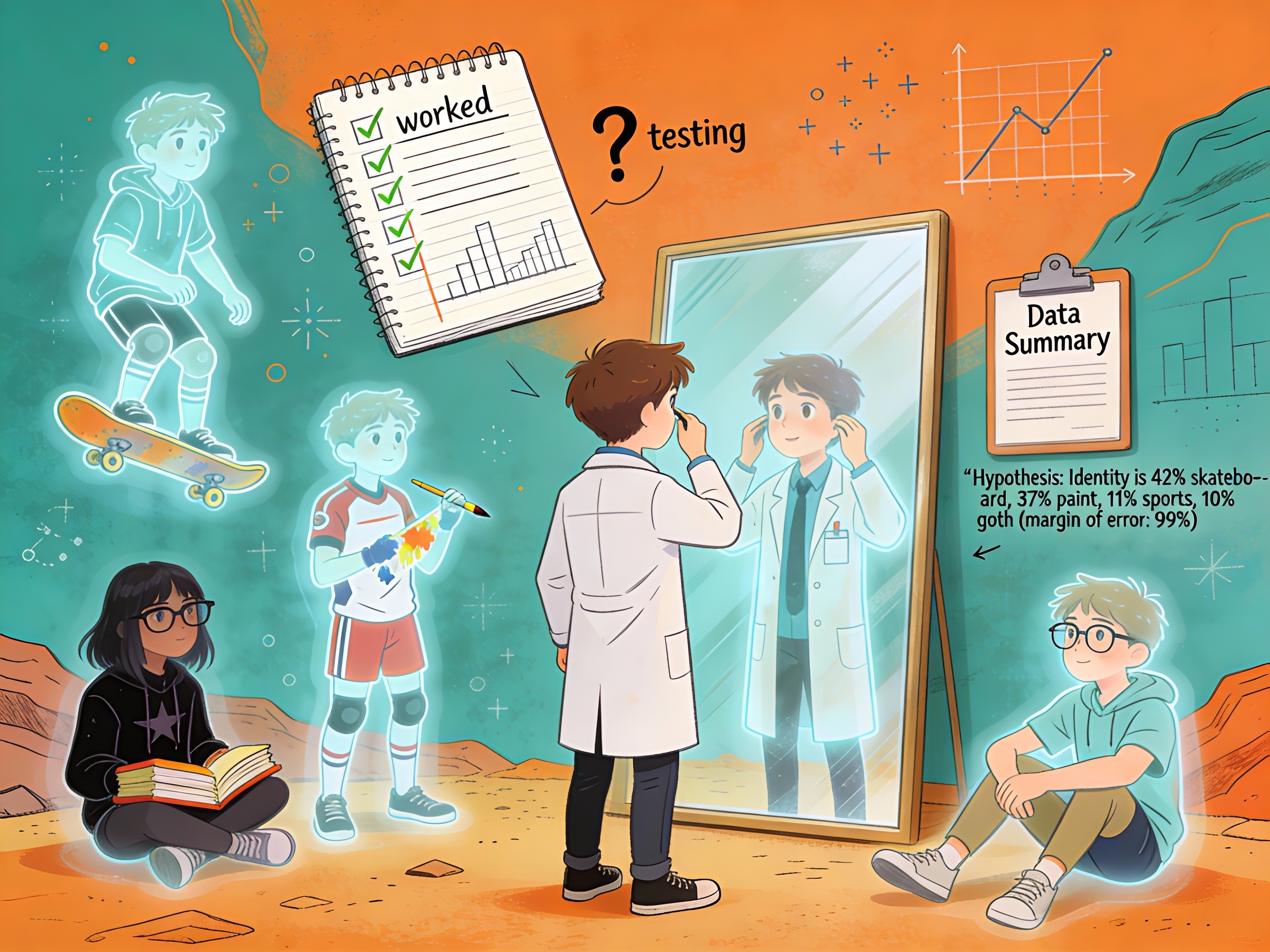
You're navigating an environment your brain wasn't designed for. Your neural hardware was optimised for tracking about 150 people in stable tribes, avoiding immediate predators and securing food. Your actual environment involves managing thousands of relationships across incompatible social contexts, climate anxiety operating on century timescales, digital presence that might outlast mountains and making life-shaping decisions before your prefrontal cortex finishes developing.
Your parents may not be able to give you relevant advice because they didn't face these challenges. Your teachers are working with curricula designed for a world that no longer exists. Your peers are as confused as you are but pretending they're not because everyone assumes everyone else has figured it out.
So you're left doing trial and error, which eventually works but wastes years you don't get back and involves unnecessary suffering along the way.
This seemed like a solvable problem.
THE SOLUTION
I've spent most of my life paying attention to the world around me and myself, I wondered why people behaved like they do, why I do what I do, how I came to the opinions I hold and where they originated from whilst also researching, amongst other things, Earth science, adolescent psychology, personality theory, systems thinking, sociology and history, all the academic disciplines that separately study pieces of the puzzle, but rarely talk to each other and almost never translate their findings into language normal humans can use.
I eventually distilled it into practical frameworks and wrote it the way I wish someone had explained it to me with a dash of Douglas Adams' cosmic perspective and absurd humour, scientific accuracy without academic jargon and genuine respect for your intelligence.
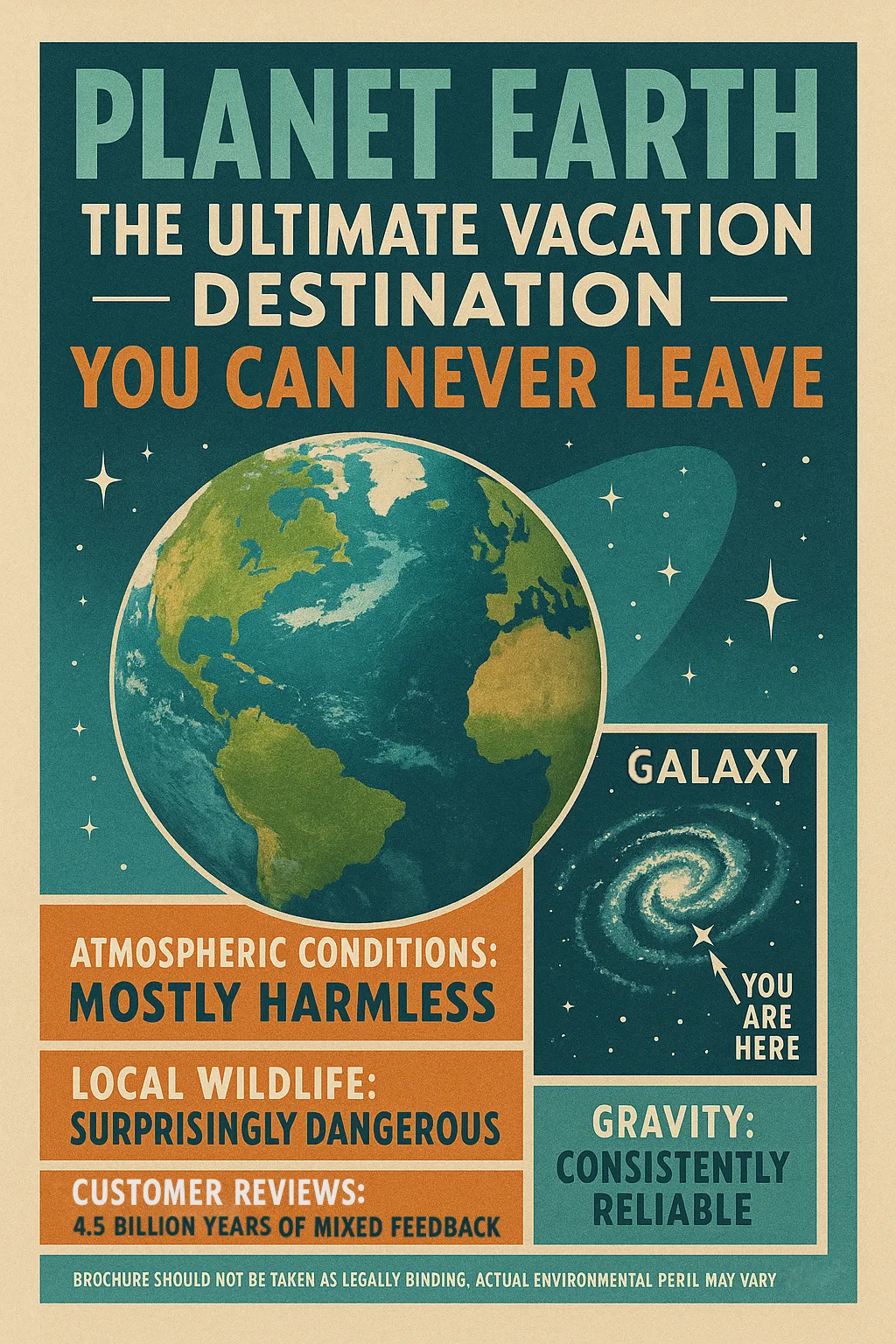
The result is A Young Human's Guide to Earth, 10 chapters blending planetary science with social dynamics, explaining why rocks are diaries, why social pressure operates like atmospheric pressure, why your personality is geology in slow motion and how to navigate being a conscious arrangement of atoms on an active planet during interesting times.
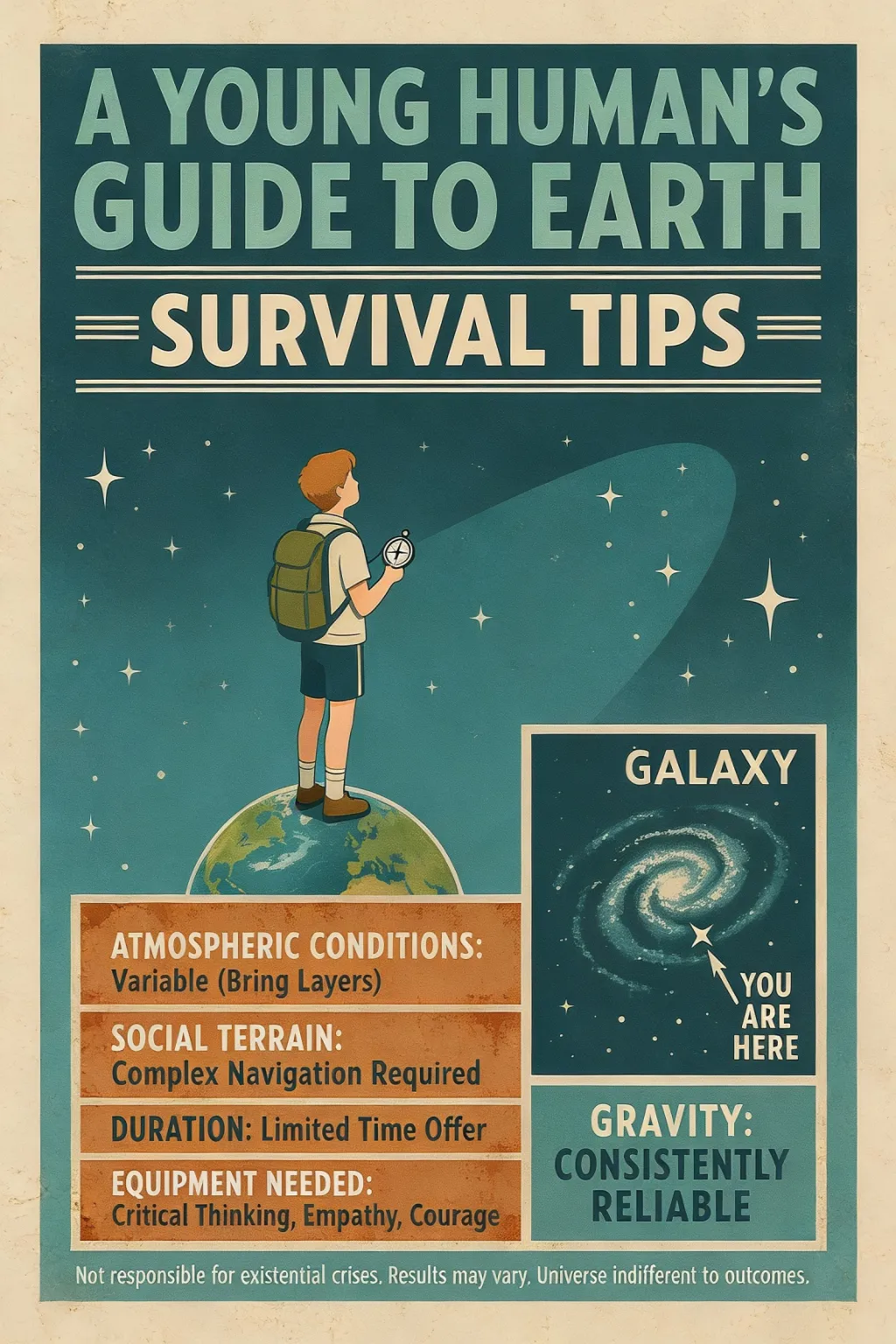
Plus 50 Survival Tips that distil everything into practical application you can actually use when you're making decisions, managing uncertainty, or trying to figure out whether you're experiencing a temporary crisis or permanent catastrophe.
Earth Guide For Humans
Survival Tips
Frequently Asked Questions
What exactly are the 50 Survival Tips?
Practical frameworks for navigating challenges nobody prepares you for. They cover managing temporal perspective (deep time vs. drama time), reading social environments, understanding personality patterns, building decision systems, knowing when to adapt versus evacuate, creating meaning whilst accepting cosmic insignificance and 43 other patterns for being human on Earth.
They're distilled from peer-reviewed research across Earth science, psychology and sociology, and translated from academic jargon into actually useful language, hopefully.
Who are these books for?
Primary audience: Young humans aged 13-25 navigating adolescence, identity formation, education decisions, early career and the general challenge of being conscious on an active planet.
Secondary audience: Parents wanting to understand what their children face and give them useful frameworks. Educators looking for interdisciplinary resources that connect Earth science with social-emotional learning.
Tertiary audience: Anyone who wishes they'd learned systems thinking, adaptive navigation and emotional regulation earlier than they did.
Age is less important than mindset. If you're curious about how planetary and social systems work and willing to think rather than just follow rules, it's for you.
What makes this different from other teen books?
Most books for young people either:
- Talk down (overly simple, patronising tone)
- Catastrophise (everything is terrible, you're doomed)
- Offer platitudes ("just be yourself!" without explaining how)
- Focus narrowly on single topics without connecting to larger systems
This book treats you as intelligent people navigating genuinely complex problems. It connects Earth science with social dynamics through systems thinking. It uses Douglas Adams' cosmic perspective and humour to make complexity accessible without dumbing it down. And it's honest about limitations, it won't solve everything but will improve your navigation significantly.
Is this scientifically accurate?
Yes. All Earth science content is based on current scientific consensus. All psychology and sociology content draws from peer-reviewed research.
Where uncertainty exists, that's acknowledged. Science deals in probabilities, not certainties and the book reflects that.
Is it religious or atheist?
Neither. It's secular without being anti-religious.
The book acknowledges that religious frameworks exist and serve important psychological and social functions for many people. It also notes that distilled across traditions, they converge on similar practical wisdom: reduce suffering, create meaning through connection, treat others with dignity.
Whether you find meaning through religious framework, secular philosophy or personal values matters less than whether you live according to principles that reduce harm and increase wellbeing.
If you need specific religious framework, add it. If you don't, don't. The core frameworks work either way.
When will the full books be published?
There will be full eBook's available in time but for now there are samples of The Earths Guide and The Survival Tips available to gauge interest to see if it will be worth investing more time into it.
The Survival Tips will be finished soon and available to buy for a very reasonable price in eBook/PDF format.
How long are the books?
The Young Humans Guide To Earth will be 10 chapters, approximately 120 pages, Survival Tips will be approximately 60 pages, both designed to be read either straight through or by chapter as standalone modules.
Who is A. Hughman?
A human being attempting to write a comprehensive guide to being human whilst being fallible. The exact biographical details remain conveniently ambiguous.
The author has background in business, extensive research capabilities and unhealthy obsession with finding patterns across apparently unrelated domains. After decades of observation and making spectacular mistakes whilst taking careful notes, decided to share frameworks that actually help.
Yes, it's a pseudonym. Yes, it's a pun. No, the author is not sorry.
Why use a pseudonym?
Allows complete honesty about the absurdity of human existence without worrying about what the neighbours think.
Also, if you're writing a guide for humans about being human on Earth, committing to the concept seems appropriate.
What are the author's credentials?
No PhD in Earth Science or Psychology. Not a professional educator or therapist.
What the author has: systematic problem-solving experience in complex environments, years spent researching across disciplines, ability to translate academic findings into accessible language and enough humility to acknowledge that expertise in research synthesis is different from expertise in original discovery.
The frameworks are drawn from people with proper credentials doing actual research. The author just connected their findings and made them useful.
Can I contact the author?
Absolutely! For genuine questions, feedback, or factual corrections you can contact me here
For complaints that the book doesn't solve all your problems: the complaints department remains closed. For all of us.
For marriage proposals, death threats or offers to join pyramid schemes: please direct those elsewhere.
What do you do with my email address?
Send you exactly what you signed up for and anything I think will be useful if I find it.
Nothing Else.
I won't sell your email to third parties, re-subscribe you after you unsubscribe, share your information with anyone else. Your email stays private. Period.
There's enough people in the world doing all those kinds of shenanigans and I won't be a part of it.
The FAQ has reached the end.
The questions, like the universe's complexity, are technically infinite but these cover the main ones.
If yours wasn't answered, see contact information above.
The complaints department remains closed but the questions department is open during reasonable hours.
— TESTIMONIALS —
What Our Clients Say About Us

Working with this team was a game changer for our brand. Their strategic approach and creative content helped us connect with our audience like never before.
— Sarah L
Marketing Director

The attention to detail and commitment to quality truly set them apart. Our online presence has never been stronger, thanks to their innovative approach.
— James T
CEO

From the first consultation to the final deliverables, the team exceeded our expectations. Their content and strategies are spot on, driving results we can measure.
— Emily R
Founder

Website Redesign
We revamped a major retail brand’s website to enhance user experience and drive conversions. The redesign focused on intuitive navigation and a seamless shopping experience, boosting customer engagement and sales.
The new design integrated modern aesthetics with functional e-commerce tools, resulting in a user-friendly interface and increased customer retention.
— Hannah James
Product Lead

Social Media Strategy
Our strategy helped a start-up build a robust social media presence, increase engagement, and reach their target audience effectively. We created a content plan that resonated with their brand values and audience.
Through targeted campaigns and consistent branding, we saw measurable growth in followers, interactions, and conversions, leading to enhanced brand awareness.
— Adam Smith
Marketing Director

SEO Optimization
We boosted a corporate client’s online visibility by implementing a comprehensive SEO strategy. By focusing on keyword optimization and technical SEO, we helped increase organic traffic and search engine rankings.
The SEO improvements led to a significant increase in site visits, generating higher-quality leads and positioning the client as a leader in their industry.
— Mark Nelson
Marketing Director

Legal:
Terms of Use
Term & Condition
Payment Method
Privacy Policy